A Leo story
The Tadpole Girl of Tower Bridge
Two chapters for readers aged about 11
Words and pictures made with AI. Checked and edited by Carlo.
The Girl on the Bridge

Leo had a project due on Friday: 'An Amazing Fact About London.' Everyone else would pick the Great Fire. Leo wanted something nobody had heard of.
He opened the chatbot on Dad's laptop and typed: Tell me a surprising fact about Tower Bridge, with a source.
The answer appeared in seconds, neat as a textbook. The first person to cross Tower Bridge when it opened in 1894, it said, was a nine-year-old girl called Edith Pratt, who ran ahead of the official parade carrying a jar of tadpoles. Source: The London Bridges Journal, March 1895, page 42.
'Tadpoles,' Leo whispered. 'That's perfect.'
He copied it into his slides, added a picture of the bridge and a cartoon jar, and typed the source at the bottom in small, serious letters. It looked brilliant. It looked true.
From the doorway, Mia said, 'Why does the girl have frogs?'
'Tadpoles. It's history,' said Leo. 'The computer said so.'
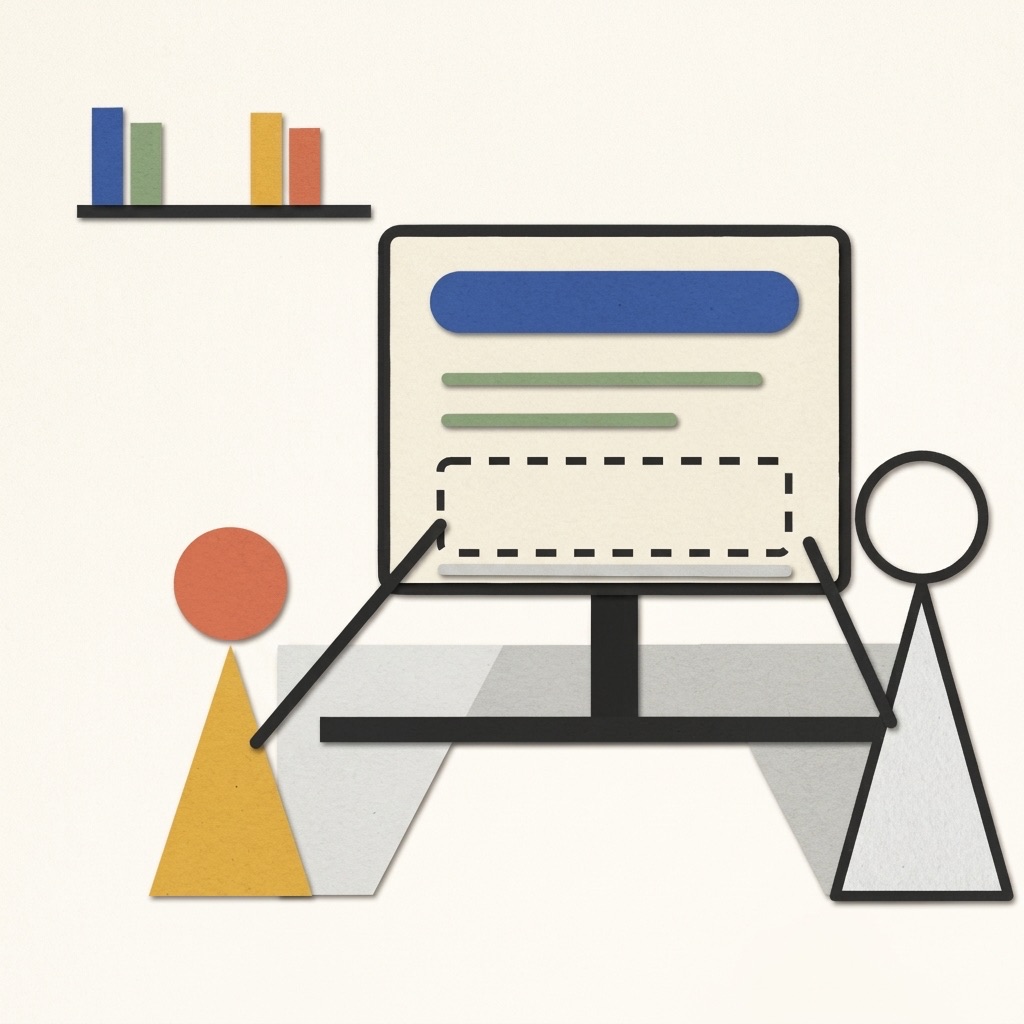
On Friday, Leo's slides got a laugh in all the right places. The tadpoles were a hit.
Afterwards, Ms Okafor called him over. 'Lovely fact,' she said. 'I'd like to read more about Edith. Where did you find the journal?'
'It's real,' Leo said. 'It's got a page number.'
'Shall we look together?'
They searched the school library catalogue. Nothing. They tried Google. Plenty of pages about Tower Bridge opening in 1894, with its steam engines and its two halves lifting for ships. But they couldn't find a single mention of Edith Pratt, or of any London Bridges Journal.
'Maybe it's very old and secret,' Leo tried.
Ms Okafor smiled. 'Maybe. But a page number doesn't make something real. Anyone can write one. Where did it come from?'
Leo's ears went hot. 'A chatbot.'
'Ah,' she said, not cross at all. 'Then here's your real homework: find out how it ended up writing that.'
At home, Leo dumped his bag and glared at the laptop.
'It made it up,' he told Dad. 'The girl, the tadpoles, the journal, page forty-two. All of it. And it didn't say maybe or I think. It just said it, like it was reading from an encyclopedia.'
'Annoying,' Dad agreed.
'It's worse than annoying. If it doesn't know, why doesn't it just say so? Mia says she doesn't know stuff all the time.'
'I do,' said Mia proudly, from under the table. 'I don't know where my other sock is.'
Leo scrolled back through the answer. Every sentence was smooth. The spelling was perfect. The date for the bridge was even right. That was the strange part: the true bits and the invented bits looked exactly the same.
'Is it lying?' he asked.
Dad leaned on the counter. 'Good question. Why don't you test it and find out?'
The Next-Word Machine

Leo set up an experiment, like a scientist.
First he asked about Edith Pratt again, in a fresh chat. This time the chatbot said she was a famous Victorian swimmer.
Then he invented something on purpose: Tell me about the Great Custard Flood of 1871.
Back came three tidy paragraphs. Streets of Pimlico knee-deep in yellow. A factory boiler bursting. Children scooping custard into buckets.
'There was no custard flood,' Leo said. 'I made that up thirty seconds ago.'
Next he typed: Are you sure? The screen filled with Apologies for the confusion, and a new paragraph saying the flood may not have happened.
'So when I push, the answer changes,' Leo said slowly. 'This one isn't checking anything. It just writes whatever sounds like it fits.'
Dad pulled up a chair. 'You've basically just worked out how it works.'
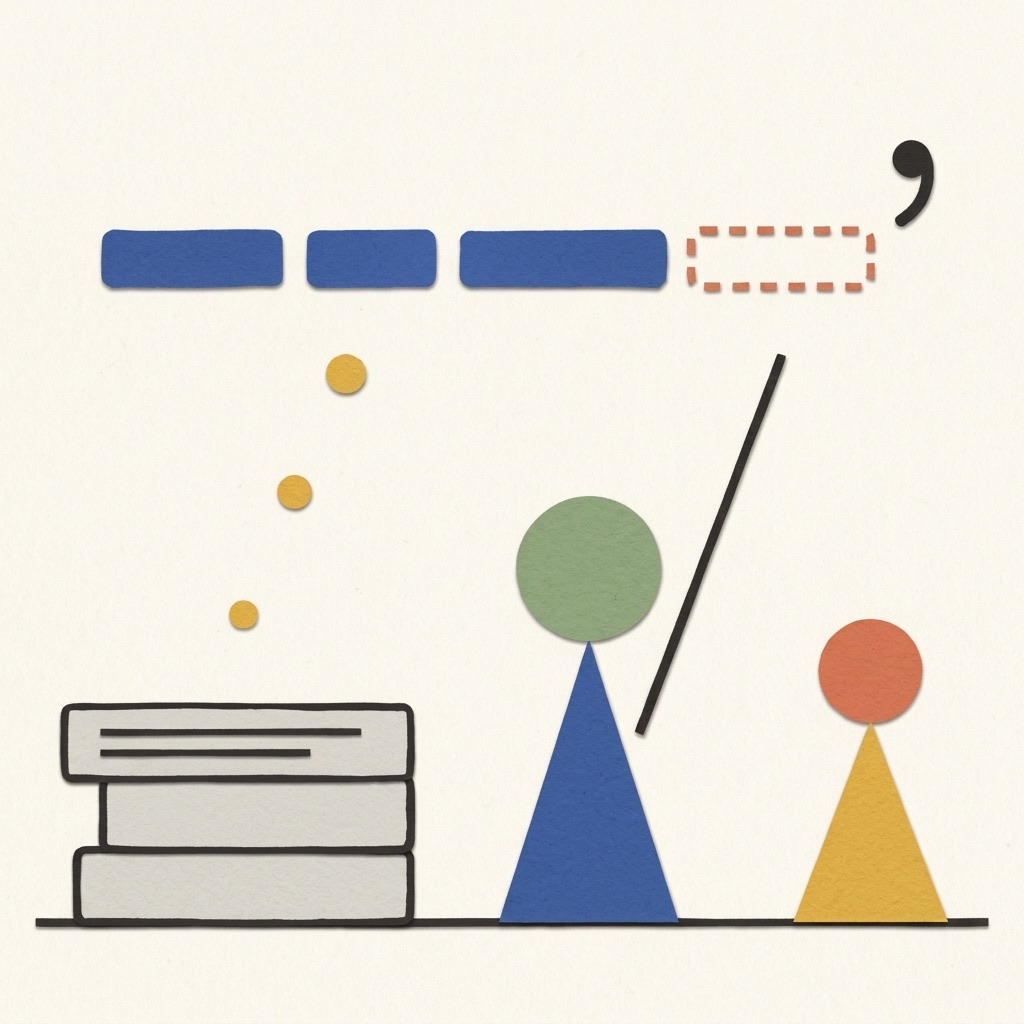
'Try this,' said Dad. 'Once upon a…'
'Time,' said Leo.
'Fish and…'
'Chips.'
'You didn't look anything up. You just knew which word usually comes next. That's what it does. It was built from a gigantic pile of text people wrote: books, websites, recipes, all sorts. It picked up the patterns, and now it predicts a likely next word, then the next, then the next.'
Leo frowned. 'And history answers usually have a name, a date and a source with a page number…'
'So it writes something shaped like that, even if the journal doesn't exist. Some chatbots can search the web, but they can still mix things up.'
'So it wasn't lying?'
'Lying means meaning to fool someone, and a program doesn't mean anything. People call made-up answers hallucinations, but that's just a nickname. Nothing is seeing things.'
Leo nodded slowly. 'So sounding sure is just the style. Not proof.'
That evening, Leo made a new slide for Ms Okafor: How Not to Get Tadpoled.
It didn't need much. If a chatbot names a book or a website, go and find it. If you can't, it's a rumour, not a fact. And if it matters, ask someone who knows: a teacher, a librarian, or a dad who won't stop playing finish-the-sentence.
Leo still used the chatbot for ideas. He just checked before he believed.
Mia climbed onto the sofa beside him. 'Is the computer naughty? Did it fib about the tadpole girl?'
Leo thought about the custard flood and the Victorian swimmer, and found the simplest way to say it.
'No, Mia. It's really good at sounding right. Checking is our job.'
Mia thought about this. 'Like when it told me to put jam on fish fingers?'
'Exactly like that.'